

UNDERSTANDING DYSLEXIA
Dyslexia.
Diagnosis, Support
& Therapy
Expert guidance.
Support grounded in research.
Reliable, evidence-based interventions.

WHAT IS DYSLEXIA?
Understanding Dyslexia:
How it impacts reading and writing
Dyslexia is a neurological, inherited Specific Learning Disorder (SLD) that primarily affects language-based processing.
Characterised by significant and persistent difficulties with accurate and fluent word reading, decoding, spelling, and written expression, dyslexia occurs despite adequate intelligence, effective classroom instruction, and sufficient learning opportunities.
At the Stark Griffin™ Dyslexia Academy (SGDA), we recognise that dyslexia affects far more than academic performance. Its impact often extends to a learner’s confidence, emotional well-being, social experience, and overall engagement in the classroom. A clear and accurate diagnosis is therefore essential—not only to understand the learner’s profile, but to ensure that appropriate support and interventions can be implemented.
Get in touch with us!
SYMPTOMS OF DYSLEXIA
Dyslexia is not caused by low intelligence, laziness, lack of effort, or poor teaching.
It is a neurological, language-based learning disorder that affects how the brain processes written and spoken language.
The core difficulty lies in decoding—the ability to accurately and efficiently connect letters to their corresponding sounds.
Individuals with dyslexia are intelligent and capable; their brains simply process language differently. Common indicators of dyslexia include persistent challenges with:
-
- Word reading accuracy
- Reading rate and fluency
- Reading comprehension (often impacted by slow or inaccurate decoding)
- Spelling and written expression
- Phonological awareness skills (such as breaking words into sounds)
- Rapid naming and working memory for language
Because dyslexia affects foundational reading processes, learners may demonstrate increasing academic frustration and reduced confidence if the condition is not accurately recognised and supported.

HOW IT WORKS
SGDA Dyslexia Assessments
At SGDA, we follow a structured, research-driven diagnostic process that examines decoding, encoding, and the underlying cognitive-linguistic pathways involved in reading. Our comprehensive assessment identifies Specific Learning Disorders, reveals dyslexia subtype patterns, and detects subtle signs and symptoms that are often overlooked in standard evaluations.
Using this specialised methodology, SGDA is able to accurately identify recognised dyslexia subtypes—including Dysnemkinesia, Dysphonesia, and Dyseidesia—providing a precise diagnosis and a clear, evidence-based direction for intervention and support.
Why choose SGDA for a Dyslexia Assessment?
- SGDA offers the only dyslexia assessment in South Africa endorsed by the Health Professions Council of South Africa (HPCSA).
- All assessments are conducted exclusively by qualified SGDA-registered practitioners who adhere to strict ethical and professional standards.
- Our diagnostic reports are clear, comprehensive, and clinically grounded, providing parents and professionals with accurate insight into the learner’s profile.
- Each learner receives a tailored intervention plan based on their specific subtype, strengths, and needs.
- If you require an assessment, SGDA will connect you with an accredited and trained professional in your region to ensure high-quality, accessible support.
What We Assess
Our dyslexia assessment evaluates the full range of cognitive-linguistic processes involved in reading and writing, including:
- Eidetic (visual) reading pathways
- Phonetic decoding and word attack skills
- Phonetic equivalence and auditory–phonological processing
- Whole-word recognition and sight vocabulary challenges
- Encoding, spelling patterns, and rule-based application
- Number and letter formation
- Reversal patterns and directional difficulties
These components allow us to determine the learner’s subtype and pinpoint the exact nature of their reading and writing challenges.
What our Dyslexia Assessment Includes
Our full SGDA diagnostic process consists of:
- Parent Questionnaire – capturing developmental, educational, and family history.
- DST (Screening Test) – identifying indicators of dyslexia risk.
- DDT (Determination Test) – a comprehensive diagnostic assessment that determines dyslexia subtype, severity, and intervention needs.
This approach provides a precise understanding of the underlying reasons for a learner’s difficulties and clearly identifies the support they require.
This approach gives a clear picture of why children with dyscalculia struggle and what support they need.
COURSES
Professional Dyslexia Training at SGDA
Our diagnostic courses are designed to equip HPCSA-registered professionals with a deep, accurate understanding of dyslexia and the practical skills needed to provide effective support.
Each programme blends neuroscience, language development, and evidence-based practice to ensure that learners receive the highest quality of guidance.
SGDA’s training integrates the neuroscience of reading with CPD-worthy, practitioner-focused content that is directly applicable in real-world educational and therapeutic settings. Every course includes specialised tools, technology, and ongoing online learning support, empowering participants to make meaningful and lasting changes in the lives of the individuals they serve.

WHO OUR COURSES ARE FOR
Our DIAGNOSTIC programmes are suitable for:
- Psychologists
- Psychometrists
- Speech Therapists
- Audiologists
- Occupational Therapists
- Optometrists
Our THERAPY programmes are suitable for:
- Psychologists
- Psychometrists
- Speech Therapists
- Audiologists
- Occupational Therapists
- Optometrists
- Educators
- Remedial teachers
CATCH THEM BEFORE THEY FALL
SGDA Dyslexia Training Programmes
Early and accurate assessment is essential for professionals working to identify dyslexia and other language-based learning disabilities. SGDA offers four specialised training programmes designed to build diagnostic expertise and practical intervention skills:

Dyslexia Training Course for Professionals
Junior Dyslexia Assessment Training Course
Professional Refresher
Course
Dyslexia
Therapy
Course
Adult Dyslexia Assessment Training Course
HELP THEM SUCCEED
Therapy Options at SGDA
SGDA offers two specialised pathways for delivering effective dyslexia support.
Dyslexia Therapy Course for Professionals
Provides evidence-based techniques and structured intervention methods for clinicians, educators, and therapists who support learners with dyslexia.
Dyslexia Therapy Course
for Parents
Offers practical, easy-to-follow guidance that equips parents to reinforce learning at home with confidence and accuracy.
Both pathways include guided practice, step-by-step support, and ongoing mentorship from trained SGDA practitioners to ensure high-quality, consistent intervention.
What Makes SGDA Therapy Courses Unique?
Our training programmes integrate the neuroscience of reading with robust, CPD-worthy content that translates seamlessly into real-world practice. Every course includes:
- Specialist tools and structured resources
- Integrated technology
- Continuous online learning support
Together, these elements empower professionals and educators to deliver intervention that is effective, evidence-based, and capable of creating lasting impact.
A note to our Dyslexic students...
At SGDA, we understand the unique challenges of living in a world where so much depends on reading and writing. We see your courage—the determination it takes to keep going, claim your place, and show your true abilities.
Never give up. Follow your passions and dreams, and don’t let anyone define what you can or cannot achieve.
Yes, it requires hard work. Yes, there will be moments of frustration. And yes, obstacles may sometimes feel overwhelming. But every step forward matters. Use all the resources available to you, seek help when needed, and keep moving toward your goals.
We admire your resilience, creativity, and strength. Your perspective is valuable, and your achievements—no matter how small—can inspire others and pave the way for your future successes.
For Parents of Dyslexic Learners
SGDA is committed to helping children with dyslexia, dyscalculia, or dysgraphia reach their full potential and pursue their dreams, despite the challenges their learning differences may present.
A professional assessment can open doors to understanding and empowerment. It can create opportunities for meaningful conversations, where your child may finally share experiences, frustrations, and moments of pride. Take the time to listen deeply, because your child may teach you resilience, determination, and creativity in ways that surprise you.
Your guidance, encouragement, and belief in your child can make a lasting difference. Celebrate every success, no matter how small—it builds confidence, motivation, and the drive to keep trying. Together, you can inspire not only your child but also other children facing similar challenges.
Walk this journey together, hand in hand, knowing that a bright and fulfilling future is possible for every child, including those who struggle with reading and writing.

Why choose SGDA?
-
At SGDA, we are dedicated to ensuring that every learner who struggles with reading or writing feels supported, understood, and empowered. Our goal is to help each individual develop the confidence and skills needed to reach their full potential.
- HPCSA-Endorsed Assessments – Using validated diagnostic tools for specific learning disorders.
- Nationwide Network of Experts – Access trained and accredited SGDA professionals across South Africa.
- Research-Based Dyslexia Therapy – Evidence-driven interventions to strengthen reading, writing, and language skills.
- Comprehensive Training Programmes – Courses designed for professionals, educators, and parents.
- Supportive and Inclusive Approach – Guided by empathy, empowerment, and practical strategies.
- Industry-Leading, Neuroscience-Informed Training – Integrating the latest research to ensure real-world impact.

Get in touch with us today!

Book a Professional Assessment
If your child is showing signs of difficulty with reading, writing, or language skills, early intervention can make a significant difference. SGDA’s trained professionals provide accurate assessments, clear feedback, and personalised therapy plans to support long-term improvement in literacy and learning.
Books For Sale!
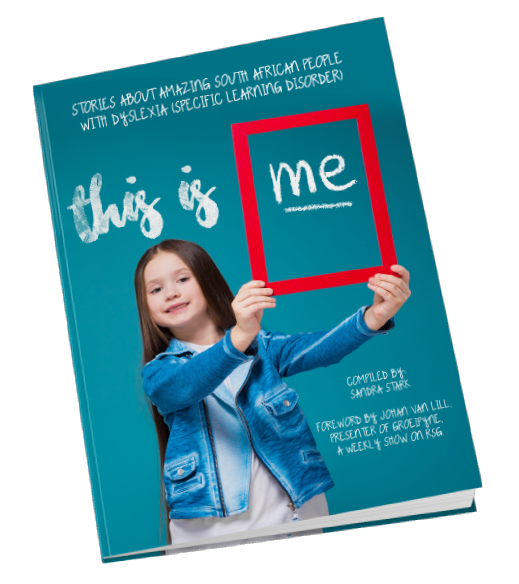
This is Me!
An inspirational collection of stories from 23 South African dyslexics, sharing their journeys of learning, self-discovery, and overcoming challenges. This book celebrates resilience and demonstrates that dyslexics can achieve limitless success.
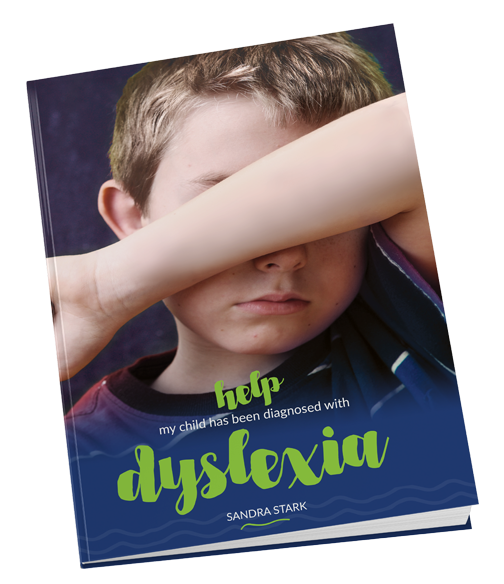
Help, my child has been diagnosed with Dyslexia!
A comprehensive guide for parents, offering clear explanations of dyslexia and practical strategies for supporting a child after diagnosis. It provides guidance on understanding challenges and taking actionable steps toward success.

Help, my child has been diagnosed with Dysgraphia!
A practical guide for parents navigating a dysgraphia diagnosis. The book explains common writing difficulties, strategies, and therapies that can help children improve their writing skills, empowering parents to take proactive steps.

Help, my child has been diagnosed with Dyscalculia!
This book provides parents with a clear understanding of dyscalculia, practical tips, and strategies to support children’s number and math skills. It addresses common concerns, helping parents feel informed, confident, and hopeful about their child’s future.