

UNDERSTANDING DYSGRAPHIA
Dysgraphia.
Diagnosis, Support
& Therapy
Expert support for writing difficulties.
Evidence-based assessment.
Reliable, structured dysgraphia therapy.
WHAT IS DYSGRAPHIA?
Understanding How Dysgraphia Impacts Writing
Dysgraphia is a specific learning disorder that makes writing significantly more challenging than expected for a child’s age.
It can affect a learner’s ability to form letters correctly, control a pencil, organise thoughts on paper, and complete everyday writing tasks.
At SGDA, we recognise how stressful writing difficulties can be—for both learners and their families. Our team provides expert assessments and evidence-based therapy designed to help children gain confidence, strengthen their writing skills, and manage the demands of schoolwork effectively.
We also offer accredited dysgraphia training for professionals who wish to assess, diagnose, and support learners with writing challenges. All SGDA practitioners complete supervised internships, ensuring ethical practice, accurate diagnoses, and high-quality intervention.
Get in touch with us!
WHAT IS DYSGRAPHIA
Common signs of Dysgraphia:
Dysgraphia is not a result of laziness or inadequate teaching. Many children with this condition experience difficulties that go beyond effort, including challenges with fine motor control and written expression. Common signs include:
- Uneven, illegible, or inconsistent handwriting
- Difficulty maintaining proper spacing between letters and words
- Poor or irregular letter formation
- Trouble holding or controlling a pencil correctly
- Slow writing speed
- Fatigue or discomfort during writing tasks
- Difficulty organising ideas on paper
- Avoidance of writing-related activities
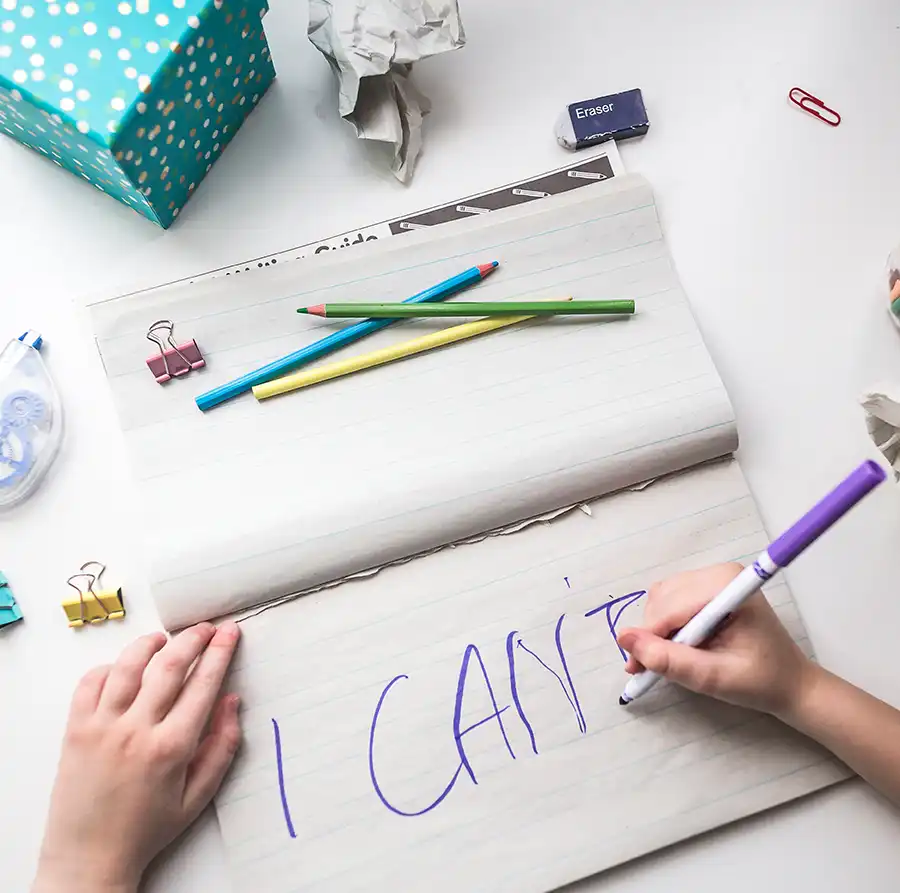
Dysgraphia is classified as a specific learning disorder. It may occur independently or alongside other learning differences, such as ADHD, dyslexia, or dyscalculia. In some cases, children experience developmental dysgraphia, where writing difficulties emerge early and persist despite appropriate teaching and support.
These challenges affect more than handwriting—they can impact letter formation, pencil control, organisation of ideas, and overall written expression. Recognising the signs early and providing targeted support can make a significant difference in a child’s confidence and academic progress.
HOW IT WORKS
How Dysgraphia Affects Learning
Dysgraphia can present differently in each child, affecting multiple aspects of writing and learning. Common areas of impact include:
Motor-Based Challenges
Difficulties with fine motor skills, pencil control, grip strength, and smooth letter formation. Some children may experience hand fatigue or discomfort while writing. In such cases, SGDA may recommend occupational therapy to support motor development.
Spatial & Visual-Perceptual Challenges
Problems with spacing, alignment, copying, or keeping letters on a line. Letters may drift, vary in size, or appear uneven, affecting the overall readability of written work.
Language-Based Challenges
Struggles with organising thoughts, retrieving words, or structuring sentences during writing tasks. Many children can articulate ideas verbally but find it challenging to express the same depth in writing.
Accurate assessment is essential to identify the specific areas affected and to develop a personalised therapy plan that addresses each child’s unique needs.
Accurate diagnosis helps identify which areas are affected and guides the right therapy plan.
TESTING FOR DYSGRAPHIA
SGDA’s Dysgraphia Assessment
SGDA offers the only dysgraphia assessment in South Africa endorsed by the HPCSA. All registered SGDA professionals complete supervised internships, ensuring ethical practice and accurate diagnoses.
The assessment provides families with a comprehensive profile of a child’s strengths, challenges, and underlying difficulties. This structured evaluation allows SGDA to design a personalised and effective intervention plan tailored to each child’s needs.
Writing and Graphomotor Skills
- Handwriting and writing proficiency
- Copying letters and shapes
- Tracing and drawing tasks
- Freehand drawing
- Colouring
- Spelling
- Writing speed
Motor and Developmental Skills
- Gross and fine motor development
- Pencil control and grip
Visual and Cognitive Processing
- Visual-perceptual abilities
- Memory for letters and symbols
- Working memory
Neurological
Indicators
• Finger Tapping Test (FTT)
CATCH THEM BEFORE THEY FALL
Why Choose SGDA for Dysgraphia Testing?
SGDA connects families with qualified, registered professionals across South Africa to provide expert dysgraphia assessments.

South Africa’s only HPCSA-endorsed dysgraphia assessment
Assessments conducted by trained, registered SGDA professionals
Comprehensive diagnostic reports that clearly outline strengths and challenges
Structured, personalised therapy plans based on assessment results
Access to a trusted national network of practitioners
FOR PROFESSIONALS
Dysgraphia Training Course for Professionals
SGDA offers accredited training designed for professionals who wish to assess, diagnose, and support learners with writing difficulties.
HPCSA-registered professionals—including optometrists, audiologists, speech therapists, occupational therapists, psychologists, and psychometrists—are eligible to enrol. Completion of a supervised internship is required to become a certified SGDA Dysgraphia Specialist.
The course provides an in-depth understanding of dysgraphia, including its causes, signs, and prevalence. Participants learn to administer the Stark Griffin™ Dysgraphia Assessment and gain practical skills to implement evidence-based strategies and interventions that enhance writing abilities and support individuals with dysgraphia.

THERAPY & SUPPORT
Personalised Therapy Plan
Following a comprehensive assessment, SGDA develops a personalised therapy plan tailored to address the underlying skills that support writing—not just handwriting itself.
Areas of Focus
Integrated Learning Strategies
We use visual, auditory, and tactile pathways to strengthen learning and support the development of writing skills.
Writing Structure and Planning
We break writing tasks into manageable steps, helping children organise their thoughts and produce clear, structured written work.
Handwriting and Fine Motor Development
Therapy focuses on strengthening hand muscles, improving pencil control, and supporting consistent, legible letter formation.
Assistive Technology
When appropriate, we incorporate tools such as speech-to-text software, typing programs, and digital writing resources to support learning.
Emotional and Confidence Support
We help children build resilience, motivation, and pride in their progress, ensuring they feel capable and confident in their writing abilities.
SGDA works collaboratively with occupational therapists whenever motor development requires additional support, ensuring consistent progress across home, school, and therapy environments.
Why a Professional Diagnosis Matters
While many children may occasionally struggle with handwriting, dysgraphia requires a formal evaluation. A professional diagnosis identifies the underlying causes of writing difficulties and provides a clear foundation for effective, long-term support. SGDA’s assessment delivers precise results, practical recommendations, and a structured roadmap to help children improve their writing skills over time.
Long-Term Impact of Effective Support
With personalised, evidence-based therapy, children develop stronger writing habits, improved organisation, and greater confidence. They acquire practical strategies, adapt their writing methods, and manage tasks more efficiently—skills that contribute to sustained academic success and enhanced self-esteem.
A note to our students...
We at SGDA understand how challenging it can be to navigate a school system where so much depends on your ability to write clearly and efficiently. We see your effort, hear your stories, and recognise the courage it takes to keep going every day.
Never give up.
Keep pursuing your goals, and do not let anyone else’s judgment define what you are capable of achieving. Yes, writing may be difficult. Yes, it can be frustrating. Yes, sometimes the obstacles may feel overwhelming. But every step you take toward improving your writing skills is progress—keep moving forward.
Use all the tools and support available to you. Ask for help when you need it, and remember that your determination and perseverance are what make you truly remarkable. We admire your courage and cannot wait to see all that you will accomplish.
A note to our parents...
SGDA is committed to helping children diagnosed with dysgraphia reach their full potential and achieve their dreams, despite the challenges posed by writing difficulties.
Children with dysgraphia face unique struggles that can affect confidence, motivation, and academic performance. A professional assessment opens the door to understanding the real challenges your child is experiencing. It may allow your child to express frustrations, share experiences, and communicate feelings that have been difficult to put into words.
Listening closely and empathetically can strengthen your bond and help your child feel supported and understood. With your encouragement, children can develop confidence, improve their writing skills, and continue to persevere—even when tasks feel daunting. Your guidance, patience, and motivation play a vital role in their growth and success.
Together, you and your child can navigate these challenges and celebrate achievements—big or small—knowing that each milestone brings them closer to fulfilling their potential. There is a bright future ahead, and with support and perseverance, children with dysgraphia can thrive academically, socially, and emotionally.

Why Choose SGDA?
- HPCSA-Endorsed Assessments for specific learning disorders
- Validated Diagnostic Tools to ensure accurate evaluation
- Highly Trained Professionals across South Africa
- Evidence-Based, Neuroscience-Informed Therapy
- Accredited Courses for professionals, educators, and parents
- Supportive and Encouraging Approach, helping learners reach their full potential

Get in touch with us today!

Book a Professional Assessment
If your child is experiencing writing difficulties, early intervention can make a real difference. SGDA’s trained professionals provide accurate assessments, clear, easy-to-understand feedback, and personalised therapy plans designed to support long-term improvement in writing skills.
Books For Sale!
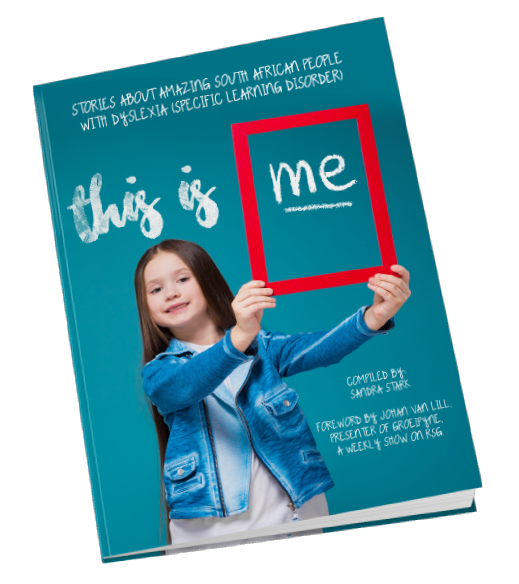
This is Me!
An inspirational collection of stories from 23 South African dyslexics, sharing their journeys of learning, self-discovery, and overcoming challenges. This book celebrates resilience and demonstrates that dyslexics can achieve limitless success.
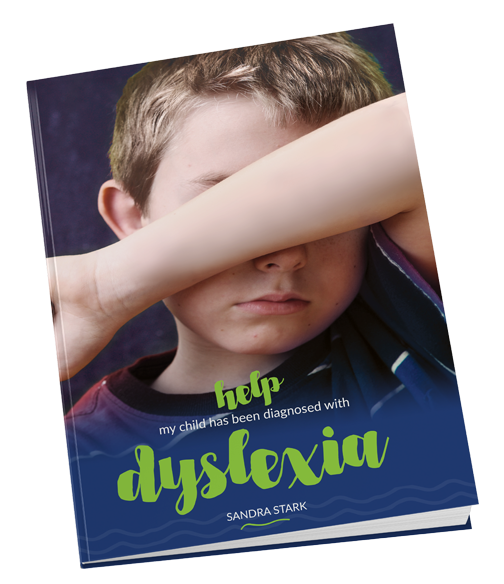
Help, my child has been diagnosed with Dyslexia!
A comprehensive guide for parents, offering clear explanations of dyslexia and practical strategies for supporting a child after diagnosis. It provides guidance on understanding challenges and taking actionable steps toward success.

Help, my child has been diagnosed with Dysgraphia!
A practical guide for parents navigating a dysgraphia diagnosis. The book explains common writing difficulties, strategies, and therapies that can help children improve their writing skills, empowering parents to take proactive steps.

Help, my child has been diagnosed with Dyscalculia!
This book provides parents with a clear understanding of dyscalculia, practical tips, and strategies to support children’s number and math skills. It addresses common concerns, helping parents feel informed, confident, and hopeful about their child’s future.